
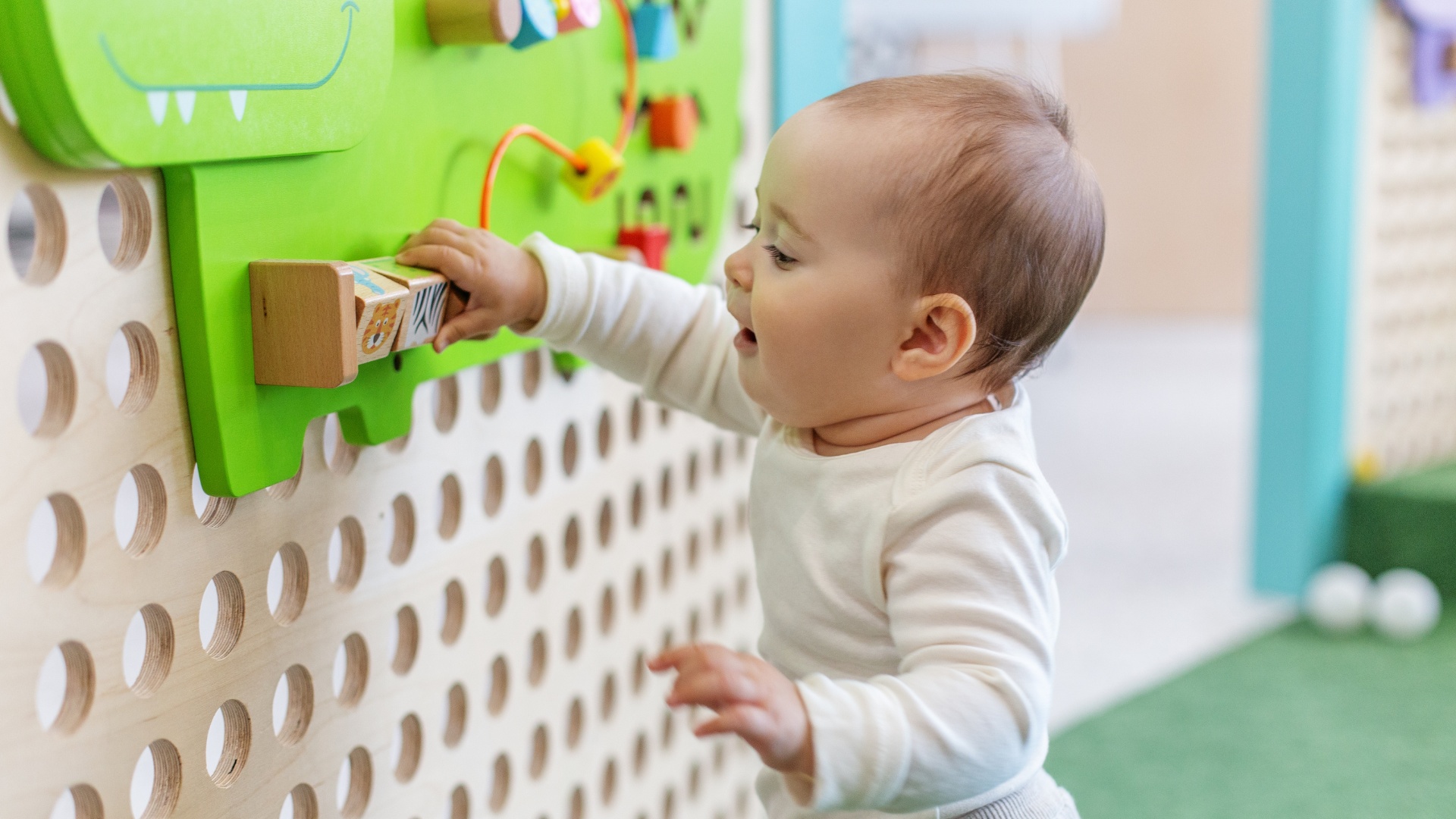
The Importance of Sensory Activities in Early Childhood Development at the Best Nursery in Dubai
It was a simple moment, a child running tiny fingers through a tray of sand, watching it slip and scatter. Another child nearby was mixing colors with wide-eyed curiosity, while someone else explored the soft texture of clay. To an adult, it might look like ordinary play. But in early childhood, these sensory experiences are powerful learning tools.
In the best nursery in Dubai, sensory activities are intentional experiences designed to support holistic development. From textured materials and water play to music, movement, and scent-based exploration, sensory activities help young children make sense of the world around them.
What Are Sensory Activities?
Sensory activities engage a child’s five primary senses, like touch, sight, hearing, smell, and taste, along with movement and balance. When children pour water between cups, walk barefoot on textured mats, or listen to rhythmic sounds, they are building neural connections that support cognitive and physical growth.
At a high-quality early learning center like the best nursery in Dubai, these experiences are thoughtfully structured. Teachers observe how children respond to different stimuli and guide activities that enhance focus, coordination, and creativity. Sensory play lays the groundwork for lifelong learning.
Strengthening Brain Development
During the preschool and nursery years, a child’s brain develops at an extraordinary pace. Sensory exploration stimulates multiple areas of the brain simultaneously. When a child kneads dough, they engage fine motor skills, concentration, and creativity all at once.
These repeated sensory experiences strengthen neural pathways, improving memory, language development, and problem-solving skills. For example, describing textures like “smooth,” “sticky,” or “rough” enhances vocabulary. Sorting objects by color or size during play builds early math skills.
Enhancing Emotional Regulation
Have you ever noticed how calm a child becomes while playing with sand or water? Sensory activities can be incredibly soothing. They help children regulate emotions and manage stress. When a child feels overwhelmed, engaging in tactile play can bring comfort and focus.
In structured environments, educators often incorporate sensory corners where children can reset and relax. This teaches them self-regulation, a skill that benefits them well beyond the nursery years.
Supporting Motor Skills Development
Sensory activities also play a crucial role in physical development. Pouring, scooping, threading beads, and molding clay strengthen fine motor skills necessary for writing and daily tasks. Meanwhile, activities involving balance and movement, like climbing, dancing, or obstacle courses, enhance gross motor skills and coordination.
By integrating such exercises, the best nursery in Dubai ensures children develop both strength and precision in movement, preparing them for the academic and physical challenges ahead.
Encouraging Creativity and Curiosity
Children are naturally curious. Sensory play invites them to experiment without fear of failure. What happens if red and yellow paint mix together? How does ice feel as it melts? What sound does a wooden block make compared to a metal one?
These explorations foster creativity and critical thinking. Instead of memorizing facts, children learn through discovery. They ask questions, test ideas, and build confidence in their abilities.
Improving Social Skills
Sensory activities are often collaborative. Sharing materials, waiting for turns, and working together on group projects teach cooperation and communication. For example, building a sand structure with peers encourages teamwork and negotiation.
Teachers guide these interactions gently, helping children express themselves clearly and resolve small conflicts independently. This social learning is just as valuable as academic instruction.
Building Independence and Confidence
When children explore sensory materials, they make choices about what to touch, how to mix, and when to stop. This sense of autonomy builds confidence. They learn that their actions have outcomes, which strengthens decision-making skills.
Encouraging safe exploration within a supportive environment gives children the courage to try new things. That confidence carries forward into classroom participation and social interactions.
Final Thoughts
Sensory activities are far more than playful moments in a preschool setting. They are foundational experiences that nurture cognitive growth, emotional balance, motor development, and social skills. Through hands-on exploration, children build the confidence and curiosity they need to thrive.
In a thoughtfully designed environment like the best nursery in Dubai, sensory play becomes a powerful tool for shaping well-rounded, resilient learners. By embracing these experiences during the early years, we give children the opportunity to understand their world deeply and to step into it with confidence and joy.