
Preschool Dubai Safety Standards and Child Care Practices Explained
When selecting an early learning environment, safety and quality care are top priorities for parents. A preschool Dubai families trust follows strict safety standards and child care practices designed to protect children while supporting their overall development. Understanding these standards helps parents make informed decisions and feel confident about their child’s daily environment.
From secure facilities to trained educators, safety is integrated into every aspect of a preschool’s operations. Beyond physical protection, child care practices also focus on emotional well-being, hygiene, and supervision, ensuring children feel safe, supported, and encouraged to learn.
Safety Infrastructure in a Preschool Dubai
Physical safety begins with well-designed infrastructure. In a preschool Dubai setting, classrooms and play areas are purpose-built with child-friendly materials, rounded furniture edges, non-slip flooring, and age-appropriate equipment. Entry and exit points are controlled to prevent unauthorized access, while CCTV monitoring is often used to enhance security.
Outdoor play areas are equally important and are designed with safe surfaces and secure boundaries. Regular inspections and maintenance ensure that equipment remains in good condition, reducing the risk of accidents and injuries.
Health, Hygiene, and Cleanliness Standards
Maintaining high health and hygiene standards is essential in early childhood settings. Preschools implement strict cleaning schedules, regular sanitization of toys and learning materials, and proper waste management practices. Handwashing routines are taught and reinforced to help children develop healthy habits from a young age.
Clear policies for illness management help prevent the spread of infections. Parents are informed about health guidelines, while educators monitor children for signs of discomfort or illness throughout the day.
Qualified Staff and Child Care Practices
Quality child care depends largely on the people providing it. Educators and caregivers are trained in early childhood development, first aid, and emergency response procedures. Their role goes beyond supervision because they actively support children’s emotional, social, and cognitive growth.
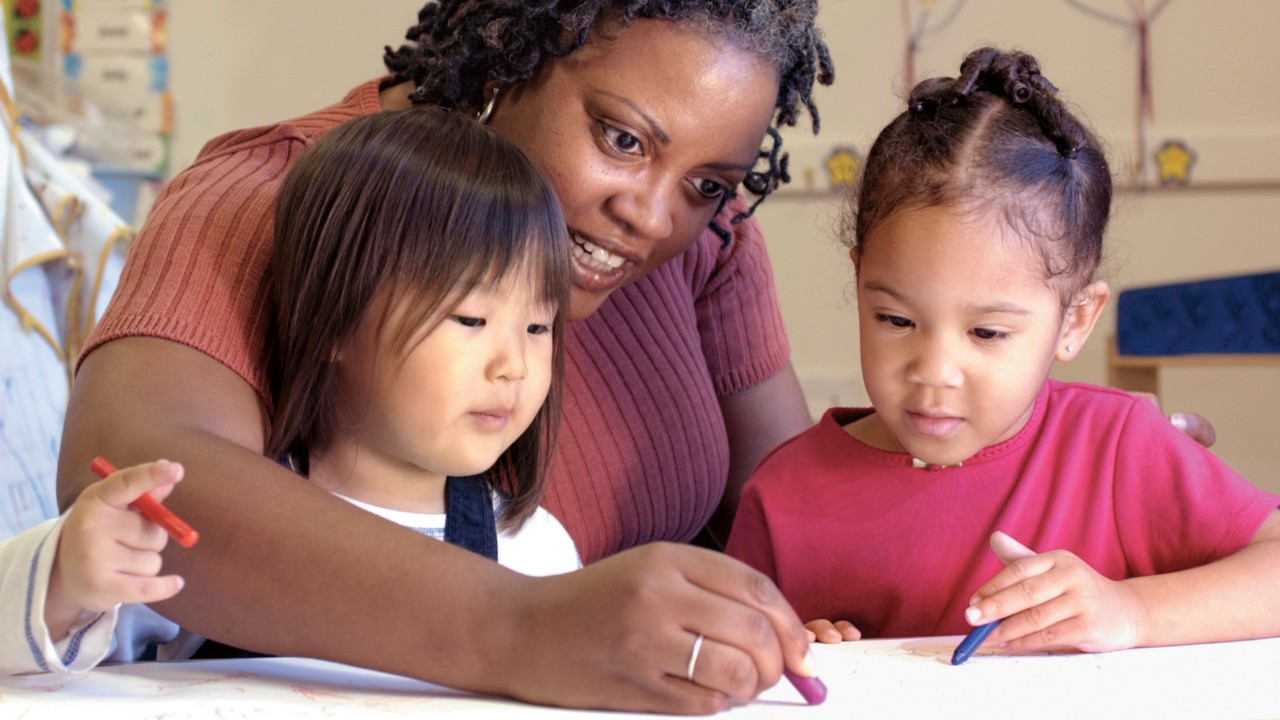
Low child-to-teacher ratios ensure that each child receives adequate attention and care. Educators build trusting relationships with children, helping them feel secure and confident. Positive reinforcement and gentle guidance are used to encourage good behavior and emotional expression.
Emergency Preparedness and Risk Management
Emergency preparedness is a critical component of safety. Preschools have clear evacuation plans, fire safety systems, and emergency contact procedures in place. Regular drills help both staff and children become familiar with safety protocols, ensuring quick and calm responses during unexpected situations.
Risk assessments are conducted routinely to identify and address potential hazards. This proactive approach helps maintain a safe and well-managed environment at all times.
Emotional Safety and Child Well-Being
Safety is not limited to physical measures alone. Emotional safety plays a vital role in a child’s ability to learn and thrive. Educators create inclusive, respectful environments where children feel valued and understood. Bullying is actively discouraged, and children are taught empathy, cooperation, and respect for others.
Open communication between educators and parents ensures concerns are addressed promptly. This partnership strengthens trust and contributes to a child’s overall well-being.
Conclusion
A well-managed preschool Dubai environment prioritizes safety, health, and high-quality child care practices to support holistic development. By maintaining strong infrastructure, trained staff, hygiene standards, and emotional support systems, preschools create a secure foundation where children can learn, grow, and flourish with confidence.